Occupational Therapy for Older Adults with Developmental Disabilities
Occupational therapy plays a crucial role in enhancing the quality of life for older adults with developmental disabilities. It focuses on improving their ability to engage in activities of daily living, such as grooming, eating, and bathing. By addressing physical, cognitive, and psychosocial challenges, occupational therapists help these individuals regain or develop skills necessary for independent living.
 Older adults with developmental disabilities face unique challenges as they age. They may have limited mobility, decreased muscle strength, and reduced overall independence. Occupational therapists assess individual needs and develop personalized treatment plans to address these issues.
The goals of occupational therapy for older adults with developmental disabilities include:
- Improving physical functioning: Occupational therapists focus on increasing strength, flexibility, and coordination through various exercises and activities. This helps older adults with developmental disabilities maintain or regain their independence in daily routines.
- Enhancing cognitive abilities: Occupational therapy also focuses on improving cognitive skills, such as memory, attention, problem-solving, and decision-making. These interventions help older adults with developmental disabilities better navigate their environment and engage in activities they enjoy.
- Addressing psychosocial needs: Aging can be challenging for individuals with developmental disabilities, as they may face social isolation, depression, or anxiety. Occupational therapists provide support and implement strategies to enhance social skills, self-esteem, and overall psychological well-being.
Free Resources for Caregivers of the Elderly! Older Adults Activities
Caring for an older adult can be rewarding, but it can also be overwhelming and demanding. Caregivers often face challenges in finding appropriate activities to engage their loved ones and ensure their well-being. Thankfully, there are numerous free resources available to support caregivers in their role.
 These resources not only provide activity ideas but also offer valuable information on caregiving strategies, access to support networks, and tips for self-care. Here are some examples of free resources for caregivers of the elderly:
- Online communities and forums: Joining online communities specifically designed for caregivers can provide a wealth of information and support. Caregivers can connect with others who are facing similar challenges, share experiences, and exchange ideas for activities.
- Local community centers: Many community centers offer free or low-cost activities for older adults. These activities can range from exercise classes to art workshops, providing opportunities for socialization and engagement.
- Virtual workshops and webinars: With the advancement of technology, caregivers can access informative workshops and webinars from the comfort of their homes. These resources cover a wide range of topics, including dementia care, effective communication, and stress management.
Activities to Improve Upper Body Strength in Occupational Therapy for Older Adults
Aging can lead to a decline in upper body strength, making it challenging for older adults to perform daily activities independently. Occupational therapists specialize in addressing these concerns and implementing exercises that improve upper body strength and enhance overall functionality.
 Activities for improving upper body strength in occupational therapy for older adults focus on targeting specific muscle groups, such as the arms, chest, and back. These exercises not only help maintain independence but also reduce the risk of falls and injuries.
Here are some examples of activities that occupational therapists may recommend:
- Resistance training: Using resistance bands or small weights, older adults can perform exercises like bicep curls, tricep extensions, or shoulder presses. These repetitive movements help strengthen and tone the upper body muscles.
- Wall push-ups: Wall push-ups are a modified version of traditional push-ups and are especially suitable for older adults with limited strength or mobility. By utilizing a wall for support, individuals can gradually build upper body strength.
- Arm circles: This simple exercise involves standing or sitting with arms extended to the sides and making clockwise and counterclockwise circular motions. Arm circles engage the shoulder muscles and improve range of motion.
Balance Exercise - Falls and the Elderly: Stepping Exercises
Falls and balance issues are common concerns among the elderly. Occupational therapists play a vital role in preventing falls by prescribing balance exercises that improve stability and coordination.
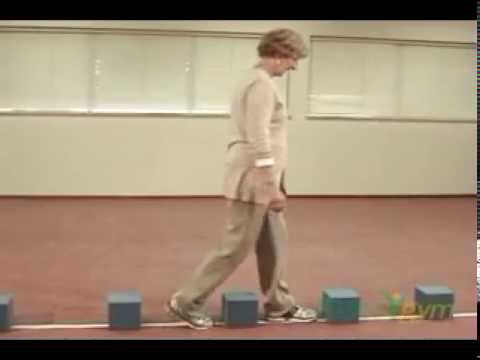 Stepping exercises are an effective way to enhance balance in older adults. They focus on strengthening the leg muscles and improving weight shifting abilities, leading to increased stability and a reduced risk of falls.
Here is an example of a stepping exercise:
- Stand beside a stable chair or countertop, placing one hand on it for support.
- Step forward with your right foot, making sure your heel touches the ground first.
- Bring your left foot forward to a comfortable position beside your right foot.
- Step backward with your right foot, making sure your toes touch the ground first.
- Bring your left foot backward to a comfortable position beside your right foot.
Repeat this pattern, gradually increasing the speed and range of motion. As balance improves, the need for support from the chair or countertop can be reduced. It is important to perform this exercise in a safe and controlled environment, using appropriate footwear.
Fun Indoor Activities for Older Adults
Indoor activities provide older adults with an opportunity to engage in stimulating and enjoyable experiences, regardless of the weather or physical limitations. These activities not only promote mental and physical well-being but also foster social connections and reduce feelings of isolation.
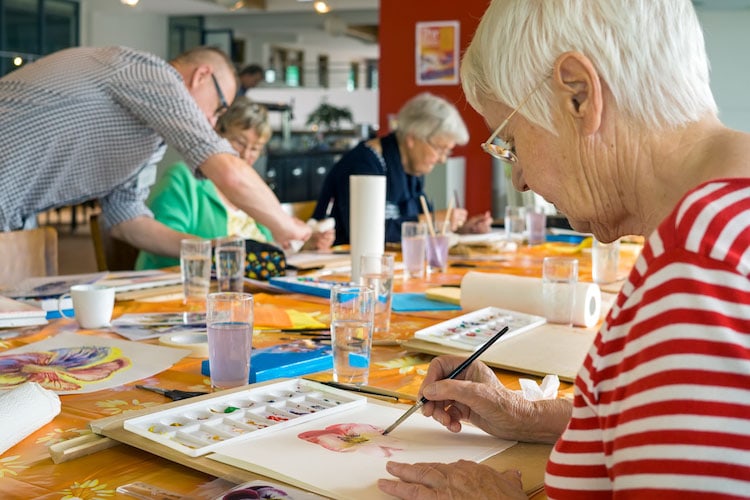 Here are some fun and engaging indoor activities for older adults:
- Arts and crafts: Painting, drawing, knitting, or other creative activities can be both relaxing and mentally stimulating. They offer a chance for self-expression and can be enjoyed independently or as part of a group.
- Board games and puzzles: Playing board games or solving puzzles not only exercises the mind but also encourages social interaction. It can be a great way for older adults to connect with family members or friends.
- Virtual experiences: With the advancement of technology, older adults can explore virtual tours, museums, or even attend online concerts. These experiences provide mental stimulation, entertainment, and opportunities for lifelong learning.
Healthy Indoor Activities for Older Adults
Maintaining a healthy lifestyle is essential for older adults as it promotes overall well-being and reduces the risk of chronic conditions. Even when confined indoors, older adults can participate in various activities that contribute to their physical, mental, and emotional health.
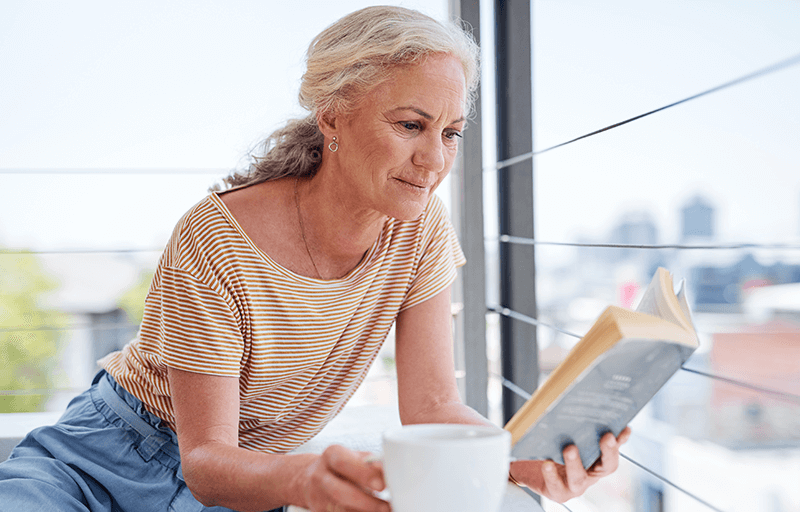 Here are some healthy indoor activities for older adults:
- Yoga or tai chi: These mind-body exercises improve flexibility, balance, and strength. They also promote relaxation and mindfulness, reducing stress and anxiety.
- Home workouts: Tuning into exercise videos specifically designed for older adults can provide a structured workout routine. These videos often include exercises for strength, cardiovascular health, and flexibility.
- Healthy cooking: Older adults can experiment with new recipes that focus on nutritious ingredients. Cooking not only provides a sense of accomplishment but also encourages healthy eating habits.
Garden Therapy for Seniors and Caregivers
Gardening can be a therapeutic activity for both seniors and their caregivers. It offers various physical, mental, and emotional benefits, creating daily joys and promoting overall well-being.
 Here are some ways that garden therapy can positively impact seniors and caregivers:
- Physical activity: Gardening involves physical movement, such as digging, planting, and watering. These activities provide exercise for the body, improve motor skills, and contribute to overall physical fitness.
- Mental stimulation: Planning and caring for a garden requires problem-solving skills and attention to detail. It can help keep the mind sharp and improve cognitive abilities.
- Sensory stimulation: Engaging with different textures, smells, and colors in the garden stimulates the senses and provides sensory integration. This can be particularly beneficial for individuals with cognitive impairments.
Group Activities for Older Adults
Group activities offer a chance for older adults to socialize, build connections, and participate in meaningful experiences. These activities can be facilitated by occupational therapists, community centers, or senior living communities.
 Here are some examples of group activities for older adults:
- Exercise classes: Group exercise classes, such as yoga, dance, or aerobics, provide physical activity while fostering a sense of camaraderie. Participants can support and motivate each other, making exercise more enjoyable.
- Book clubs or discussion groups: Reading and discussing books or current events in a group setting promote intellectual stimulation and social engagement. It also provides an opportunity to share different perspectives and opinions.
- Craft workshops: Group craft workshops allow older adults to explore their creativity while interacting with others. Creating art together fosters a sense of community and provides a platform for self-expression.
Music Therapy Songs for Older Adults
Music has a profound impact on older adults, triggering memories, evoking emotions, and promoting overall well-being. Music therapy utilizes music as a therapeutic tool to address physical, emotional, cognitive, and social needs.
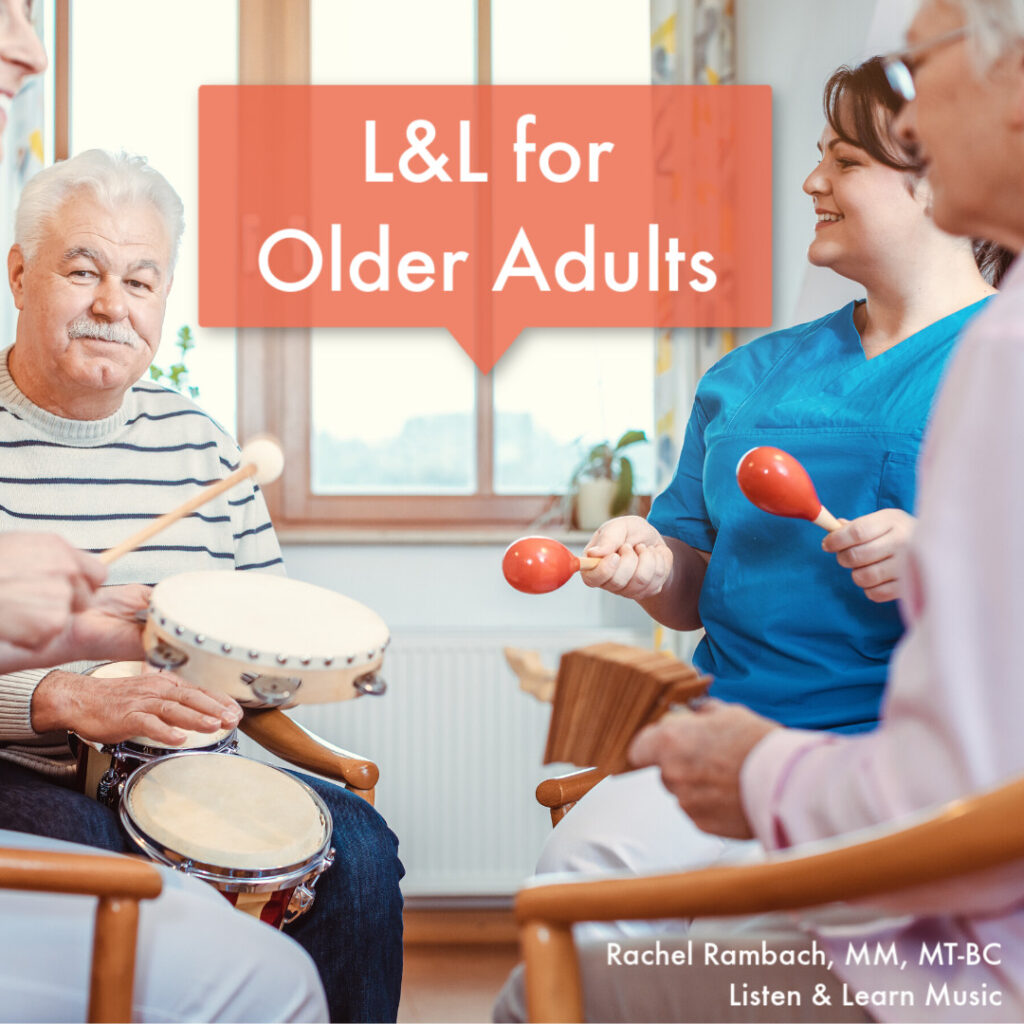 Here are some examples of music therapy songs for older adults:
- Classic hits: Songs from the past, especially ones that are familiar to the individual, can evoke memories and spark conversations. Singing along or listening to these songs can boost mood and promote social engagement.
- Relaxation music: Soft, gentle music can create a calming atmosphere, reducing stress and anxiety. Such music is often used during relaxation exercises or as background music during other therapeutic activities.
- Rhythmic activities: Engaging in activities that involve rhythm, such as drumming or playing shakers, can improve coordination, motor skills, and cognitive functioning. It also promotes social interaction and a sense of unity.
Exercise for the Older Adult
Regular physical activity is essential for the overall health and well-being of older adults. Engaging in exercise not only improves physical strength and flexibility but also enhances cognitive functioning and reduces the risk of chronic conditions.
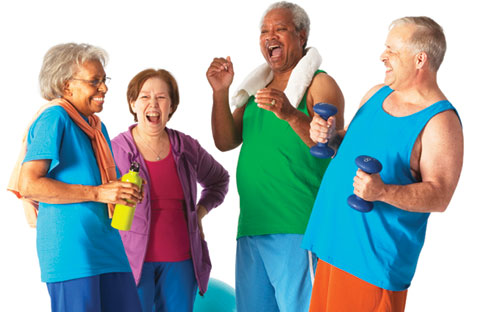 Here are some important considerations for exercise in older adults:
- Consultation with a healthcare professional: Before starting any exercise program, it is advisable for older adults to consult with their healthcare provider. They can provide guidance based on individual needs and any underlying medical conditions.
- Choosing appropriate exercises: Older adults should engage in exercises that are appropriate for their fitness level, taking into account any physical limitations or health concerns. Low-impact activities, such as swimming, walking, or tai chi, are often recommended.
- Incorporating strength training: Older adults should include strength training exercises in their exercise routine. These exercises improve muscle strength, bone density, and balance, reducing the risk of falls and fractures.
In conclusion, occupational therapy plays a vital role in enhancing the lives of older adults with developmental disabilities. It focuses on improving physical, cognitive, and psychosocial abilities to promote independence and overall well-being. Caregivers of the elderly can benefit from free resources and activities that support their role and ensure the well-being of their loved ones. Occupational therapy interventions such as activities to improve upper body strength and balance exercises are crucial for maintaining independence and reducing fall risks. Additionally, engaging in fun and healthy indoor activities, participating in garden therapy, joining group activities, and incorporating music therapy can significantly contribute to the overall well-being of older adults. Lastly, regular exercise tailored to the individual’s needs and capabilities is essential for maintaining physical and cognitive health in older adults. By embracing these diverse activities and therapies, older adults can live fulfilling and meaningful lives.
