Employee grievances are an inevitable aspect of the workplace. They arise when an employee perceives unfair treatment, violation of company policies, or workplace conflicts. To address and resolve these issues effectively, it is crucial to have clear and concise employee grievance forms in place. These forms serve as a mechanism for employees to express their concerns and seek a fair resolution.
Employee Grievance Forms: A Powerful Tool
Employee grievance forms are designed to streamline the process of documenting and addressing employee complaints. They serve as an official record of the grievance, capturing relevant details such as the employee’s name, contact information, nature of the grievance, dates, and witnesses. By utilizing these forms, organizations can maintain an organized approach to managing employee grievances.
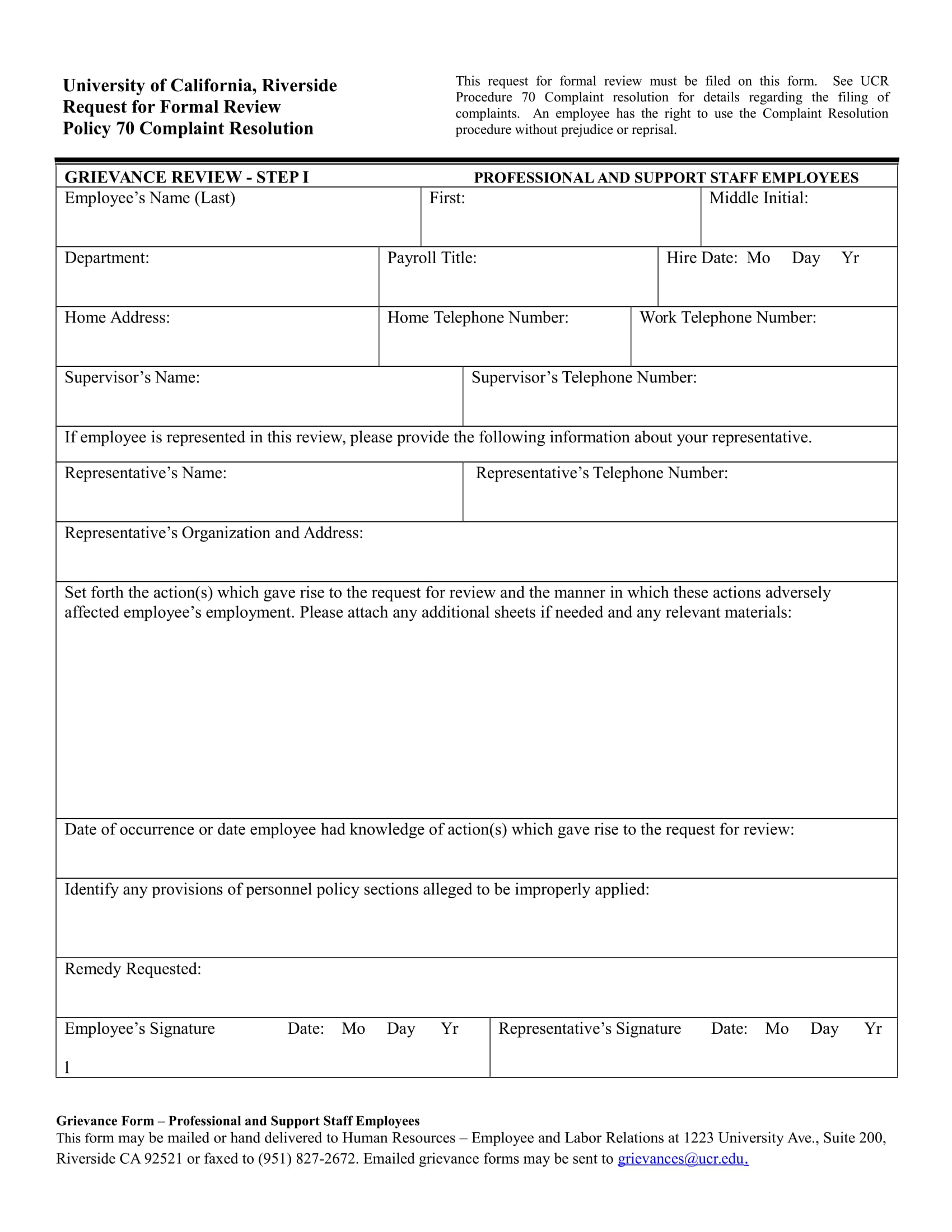 One excellent example of an employee grievance form is the one available at the following link: Employee Grievance Form Sample. This form exemplifies the professionalism required in handling such matters.
Addressing Patient Grievances: A Crucial Aspect of Healthcare
Patient grievances are common in healthcare settings, and healthcare providers need to be equipped with proper mechanisms to address them promptly. A patient grievance form is an essential tool that allows patients to voice their concerns regarding the quality of care, billing issues, or any other grievances they may have.
 The picture displayed above showcases a patient grievance form template that is useful in collecting crucial information needed for addressing patient grievances effectively and efficiently. You can access this template here.
The Power of Grievance Forms in Resolving Issues
With the right grievance form, organizations can create a safe and respectful work environment by addressing employee concerns promptly. This helps in preventing small issues from escalating into larger conflicts. By documenting grievances, organizations can identify patterns and address systemic problems. Moreover, conducting investigations based on the information provided in grievance forms helps in ensuring fairness and impartiality in resolving issues.
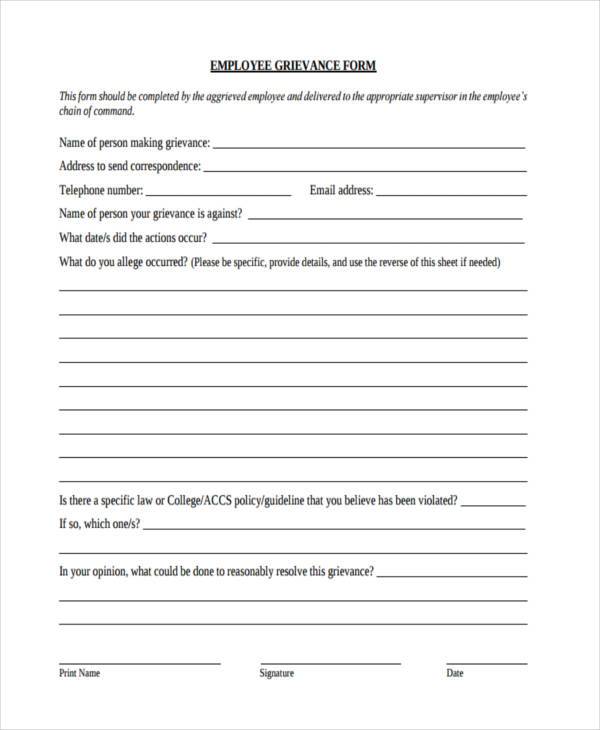 A sample employee grievance form, as shown above, can be accessed here. This form allows organizations to gather necessary information while ensuring confidentiality for employees involved.
Promoting Transparency through Grievance Forms
Implementing a proper grievance policy accompanied by well-designed grievance forms promotes transparency within an organization. When employees witness their concerns being addressed diligently, it fosters a sense of trust and confidence. This prevents resentment from building up and cultivates a positive work culture.
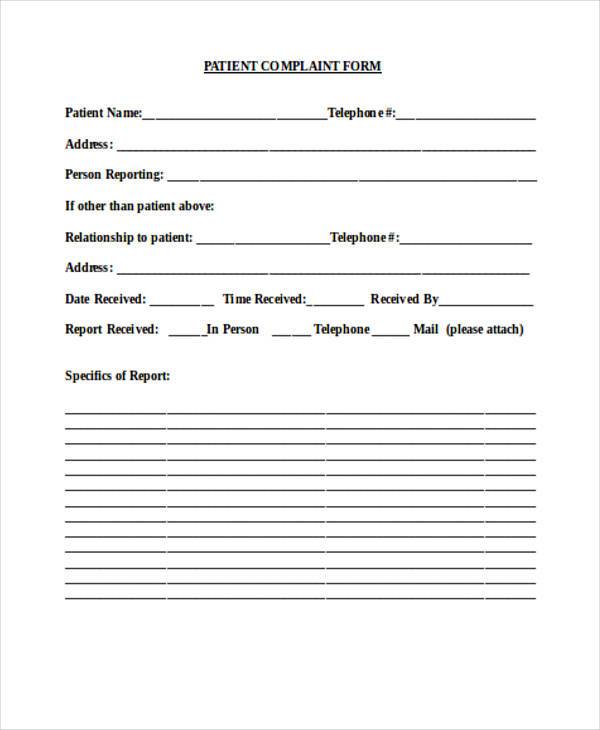 A patient grievance form example, displayed above, can be accessed here. This form allows healthcare providers to collect vital information and enhance patient satisfaction by improving the quality of care.
Conclusion
Employee and patient grievance forms play a pivotal role in maintaining a harmonious and productive work environment. Organizations that prioritize the effective management of grievances by incorporating these forms demonstrate a commitment to fairness, inclusion, and resolution. By addressing grievances promptly, organizations can prevent workplace conflicts, boost employee morale, and cultivate an environment where every individual feels heard and valued.
Remember, the key to successfully handling grievances is to have robust procedures in place, starting with proper documentation using grievance forms like the ones showcased above.
