Estate planning is a crucial aspect of financial management that often gets overlooked. When it comes to the distribution of assets after one’s passing, having a well-thought-out plan can provide peace of mind to both the individual and their loved ones. One important role in the estate planning process is that of an executor. An executor is responsible for overseeing the administration of a deceased person’s estate, ensuring that their wishes are carried out and the assets are distributed according to the will.
Estate Executor Spreadsheet UK
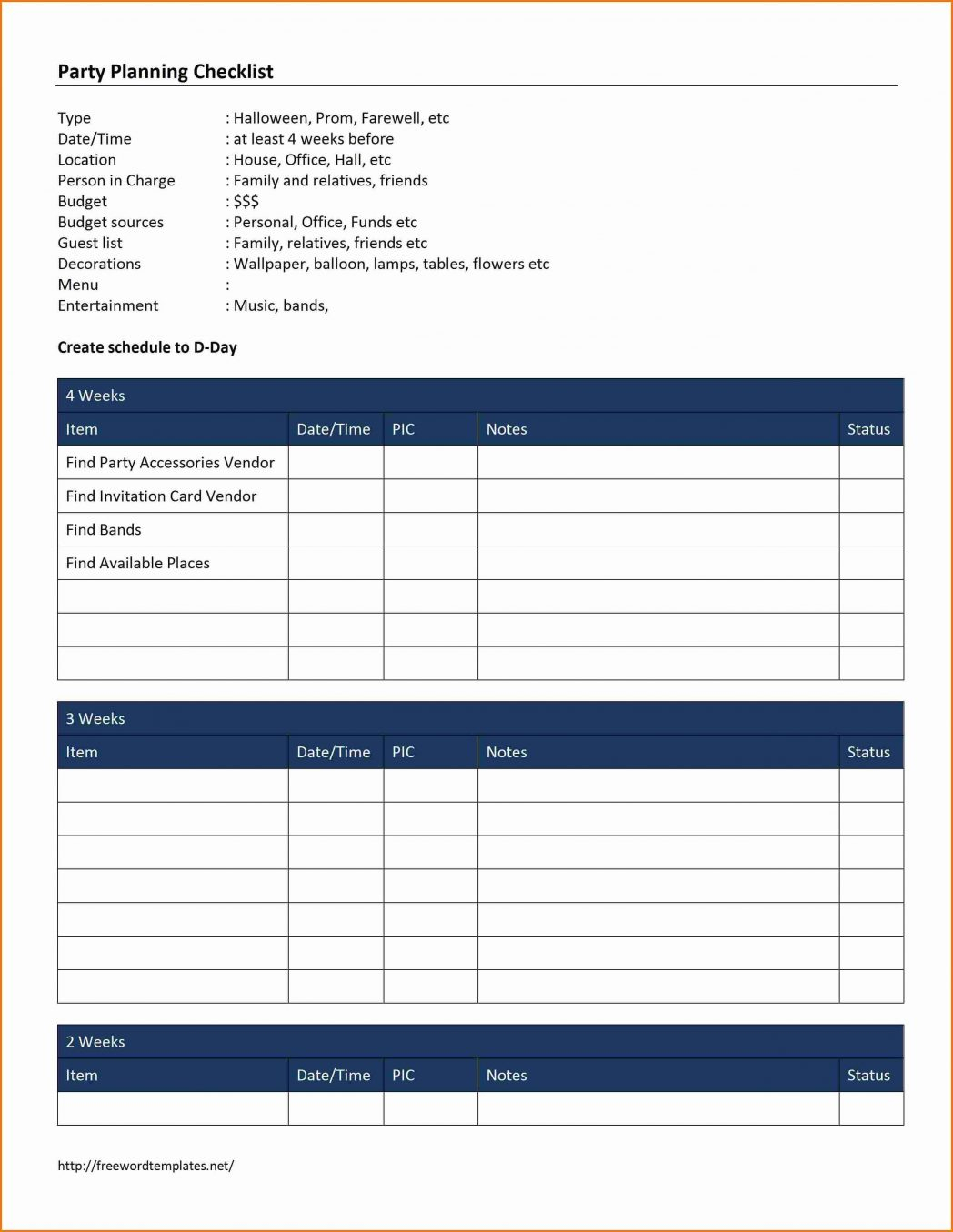 One valuable resource for estate executors in the UK is the Estate Executor Spreadsheet. This spreadsheet comes prepared with the necessary fields to accurately document and track the assets and liabilities of the estate. From bank accounts to properties, this tool helps keep everything organized and easily accessible. By utilizing this spreadsheet, executors can efficiently manage the estate’s financial affairs, ensuring a smooth distribution of assets.
Executor Checklist
 Another essential resource for executors is a comprehensive checklist. The Executor Checklist provides a step-by-step guide to help executors navigate the entire process. It breaks down the necessary tasks into manageable steps, including notifying beneficiaries, locating important documents, and filing tax returns. This checklist serves as a valuable tool to ensure that no crucial tasks are overlooked, minimizing the risk of errors or disputes during the estate settlement.
Executing a Will in Singapore
 In Singapore, individuals executing a will can refer to the Executor’s Checklist for guidance. This comprehensive checklist covers all the essential steps, from identifying assets and liabilities to obtaining a Grant of Probate. By following this checklist, executors can navigate the Singapore legal system and ensure that the estate is distributed efficiently and in compliance with the law.
While these resources provide valuable guidance and structure for executors, it is essential for individuals to seek professional legal advice to ensure that their estate planning documents and strategies align with their specific circumstances and goals.
Estate planning is a complex process that requires careful consideration and attention to detail. By utilizing tools such as the Estate Executor Spreadsheet, Executor Checklists, and jurisdiction-specific resources like the Executor’s Checklist in Singapore, executors can fulfill their responsibilities effectively and minimize the burden on their loved ones.
Remember, estate planning is not a one-time task. It is crucial to periodically review and update your estate plan to reflect any changes in your financial situation or personal circumstances. By engaging in proactive estate planning, individuals can provide financial security and peace of mind to their loved ones, even after they are no longer around to oversee the process.
In conclusion, being appointed as an executor is an important role that comes with significant responsibilities. By utilizing the resources available and seeking professional advice when necessary, executors can navigate the estate settlement process smoothly and ensure that the deceased person’s wishes are carried out accurately.
