Hey there! Today, let’s talk about Dolch Sight Words. These words are essential for early readers to recognize instantly, as they appear frequently in texts. Mastering these sight words helps little ones become more fluent readers.
The Importance of Dolch Sight Words
Learning sight words is crucial because they cannot be easily sounded out or phonetically decoded. These words must be recognized instantly by sight, hence the term “sight words.” Dolch Sight Words were developed by Dr. Edward William Dolch, an educational specialist, in the 1930s and 1940s. He created a list of frequently used words that children need to memorize to enhance their reading skills.

Dolch Sight Words Lists
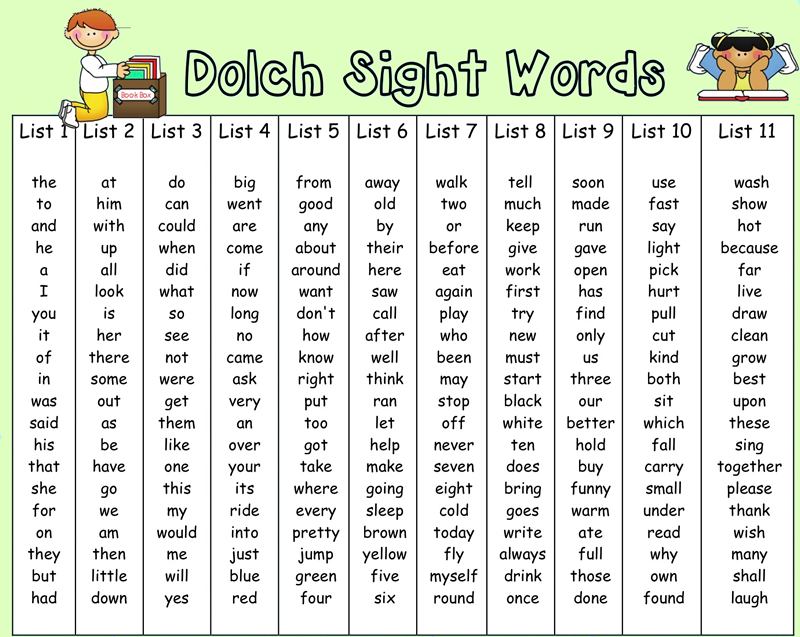
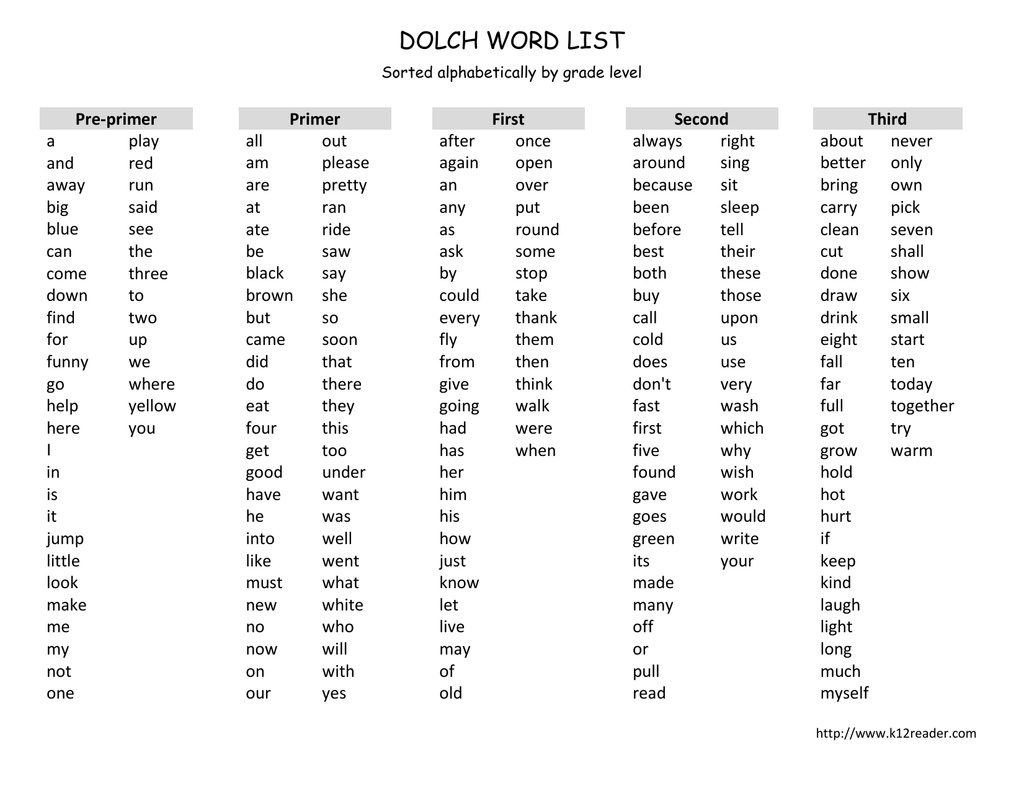
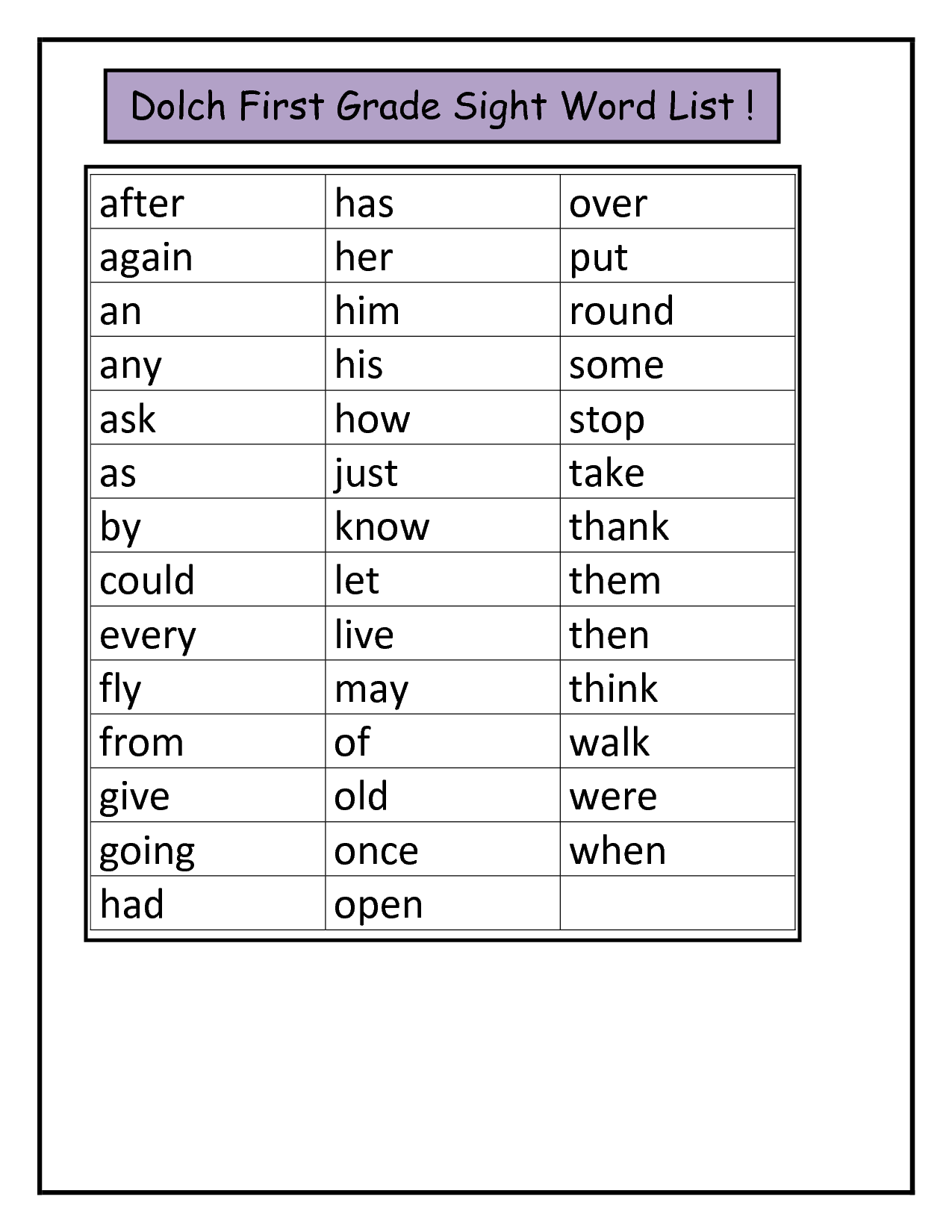
There are several Dolch Sight Words lists available, starting from pre-K all the way up to 3rd grade. These lists are divided based on difficulty level and grade level, ensuring that children gradually progress and enhance their reading abilities. It’s important for parents and teachers to familiarize themselves with the appropriate list for their child’s or student’s grade to facilitate effective learning.
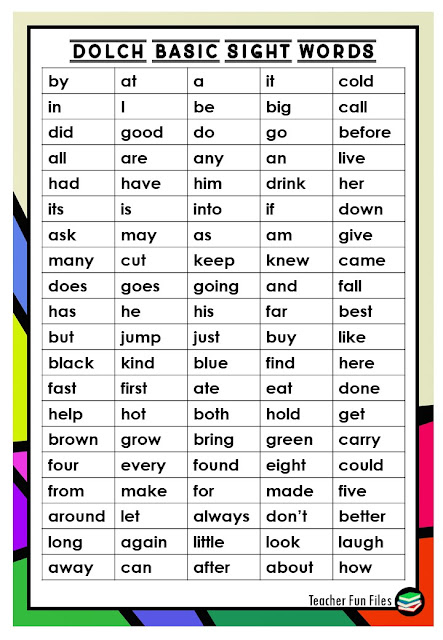
Using Dolch Sight Words Worksheets
One effective way to reinforce Dolch Sight Words is through worksheets. There are numerous printable worksheets available online that teachers and parents can utilize. These worksheets often include activities such as matching, tracing, and fill in the blanks, which make learning sight words enjoyable and engaging for young learners.
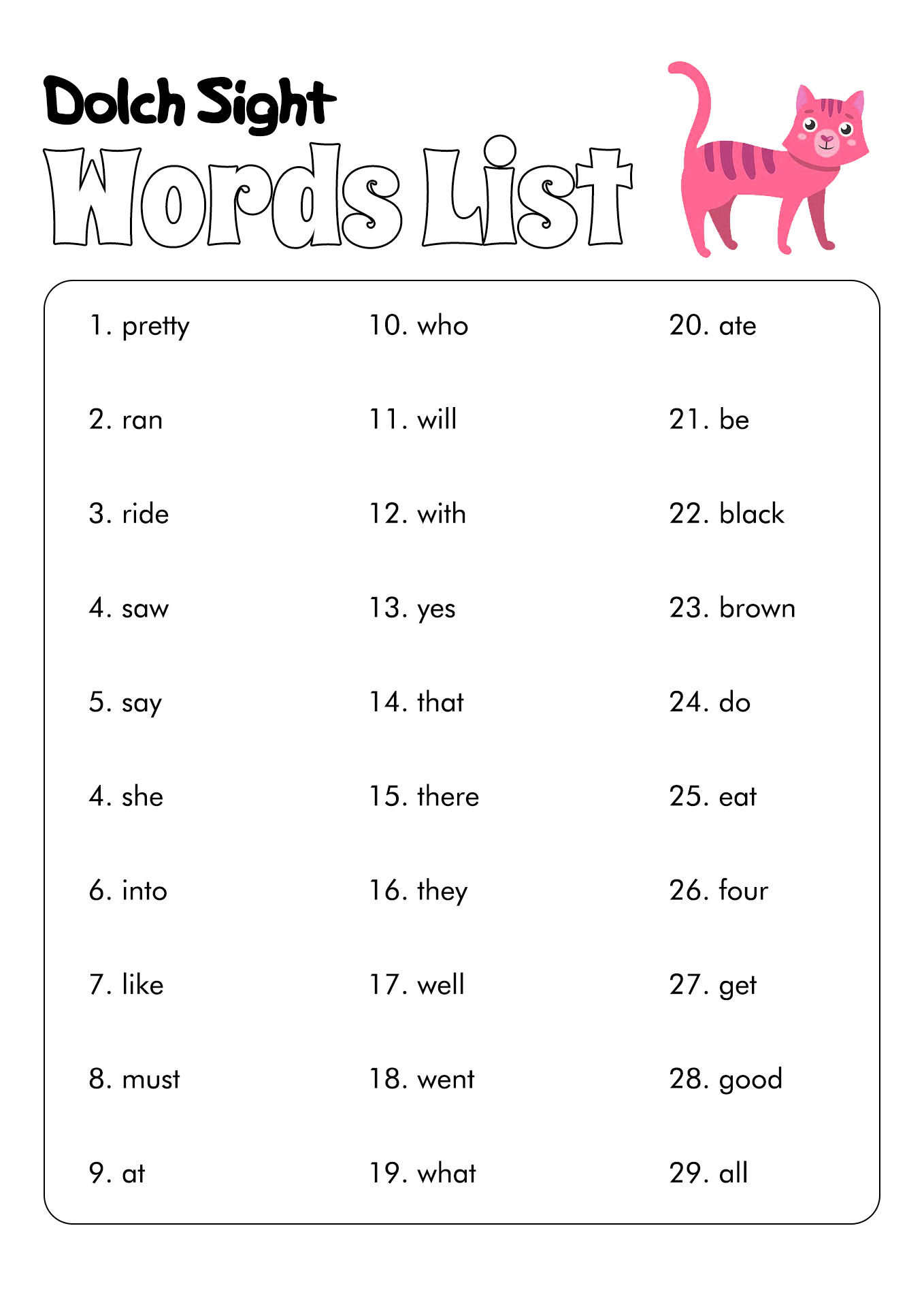
Lists from Dolch and Fry
In addition to Dolch Sight Words, another well-known sight word list is Fry’s List. Created by Dr. Edward B. Fry, this list features a collection of the 1,000 most frequently used words in the English language. Combining both the Dolch and Fry lists provides an extensive range of sight words that children should master for reading success.
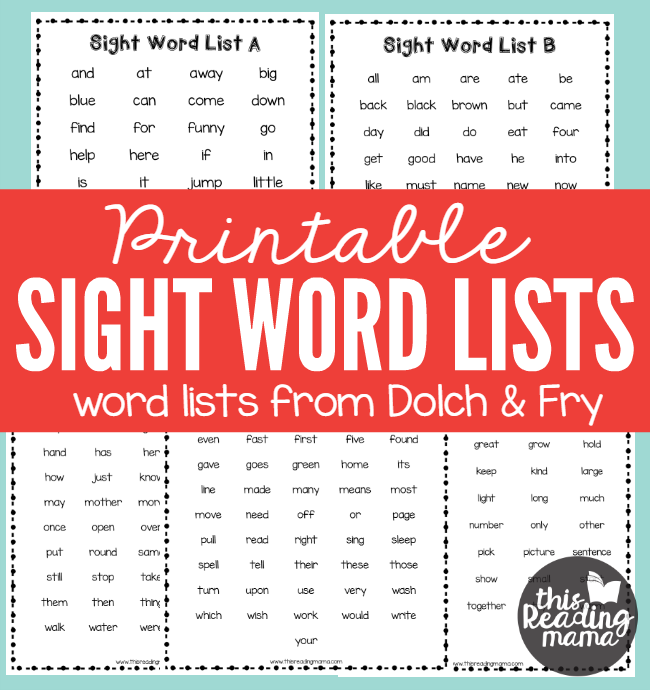
Maximizing Learning with Dolch Sight Words
Teachers and parents play vital roles in helping children master Dolch Sight Words. Creating engaging activities like flashcards, games, and interactive online exercises can make the learning process more enjoyable for young learners. By integrating sight words into daily reading and writing activities, children can gradually develop their reading fluency and comprehension skills.
Grade-Specific Dolch Sight Words
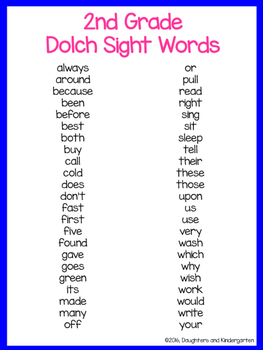
Each grade level has its own set of Dolch Sight Words. For example, the Dolch Sight Word List for 2nd grade consists of words like “always,” “before,” “heard,” and more. These lists ensure that children focus on age-appropriate sight words and build on their existing knowledge as they progress through different grade levels.
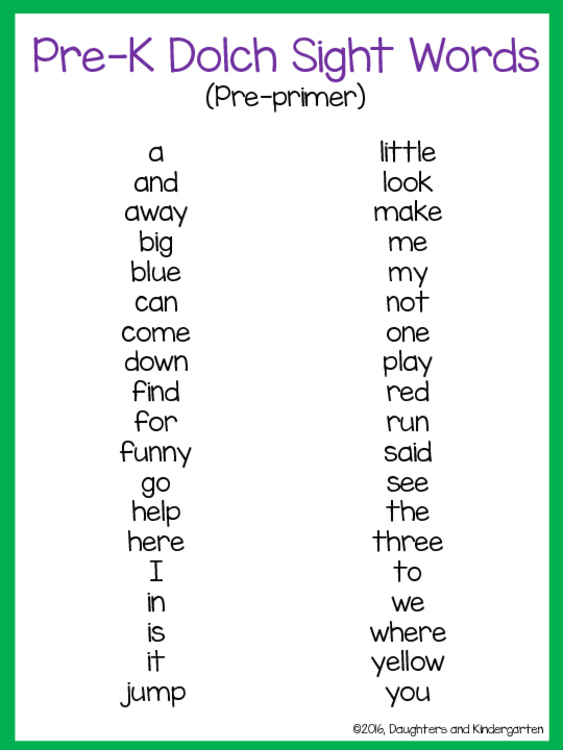
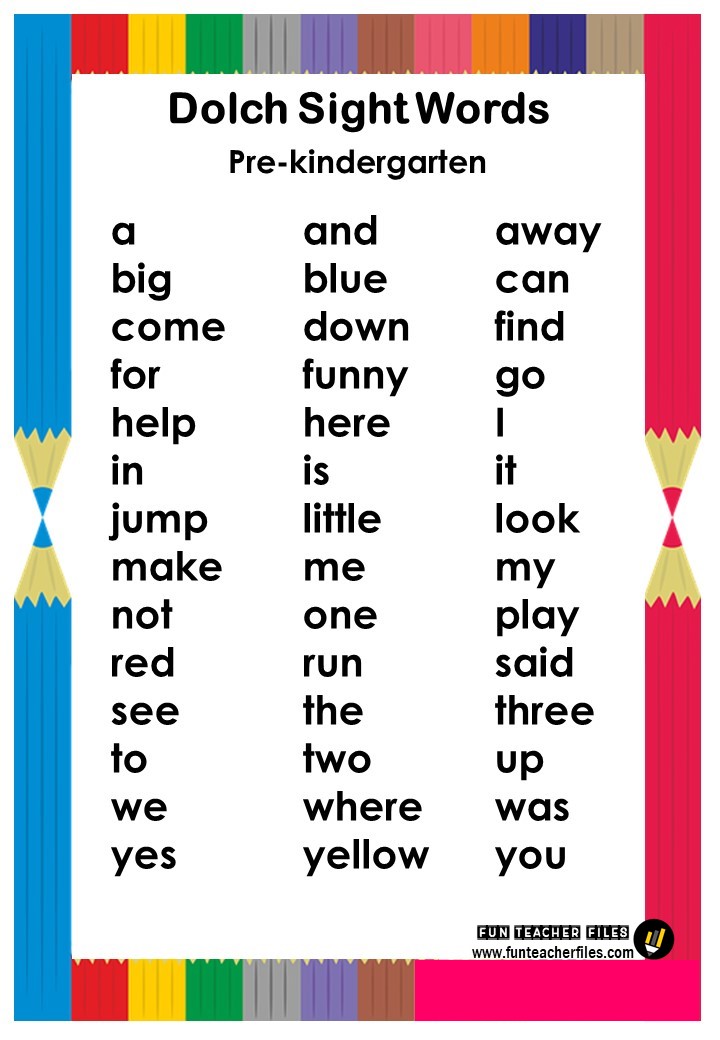
Additionally, there is a Dolch Sight Word List for pre-primer, which includes words like “a,” “and,” “we,” etc. This list targets the youngest readers and helps them develop a strong foundation in reading.
The Benefits of Learning Dolch Sight Words
Mastering Dolch Sight Words offers several benefits to children. It helps enhance reading fluency, improves comprehension, and boosts confidence in young readers. By recognizing these frequently used words effortlessly, children can focus more on understanding the overall meaning of the text they are reading.
Fun Ways to Practice Dolch Sight Words
Learning sight words doesn’t have to be boring! There are several engaging activities that parents and teachers can incorporate into their lessons. Word games, sight word scavenger hunts, and sight word bingo are just a few examples of activities that make learning Dolch Sight Words enjoyable for young learners.
Continued Progress and Success
Once children have mastered the Dolch Sight Words for their grade level, it’s important to continue their progress by introducing more challenging vocabulary and reading materials. Building a strong foundation with sight words sets the stage for future literacy success.
So, parents and teachers, let’s make learning Dolch Sight Words an exciting adventure for our little ones. By incorporating these essential words into our daily activities and providing engaging resources, we can help our children become confident, fluent, and passionate readers!
