In today’s fast-paced and highly stressful world, art therapy has emerged as a powerful tool for promoting mental health and well-being. Recognized as a form of expressive therapy, art therapy utilizes the creative process of making art to improve a person’s physical, mental, and emotional well-being.
- ART THERAPY activity for anxiety, grounding, & mindfulness: Therapeutic
 Art therapy activities often serve as a conduit for individuals to express their feelings, thoughts, and emotions that may be difficult to put into words. It allows them to tap into their subconscious mind and explore their inner world in a safe and non-judgmental environment. For individuals struggling with anxiety, engaging in art therapy can be particularly beneficial in promoting relaxation and mindfulness.
- Creativity in Therapy | Therapy activities, Recreation therapy, Art
 Art therapy activities encourage individuals to tap into their innate creativity. This process is not limited to professional artists; anyone can benefit from engaging in artistic expression. Through the use of various art materials and techniques, individuals can explore and express themselves in unique and personal ways.
- Powerful Therapeutic Art | The Corner On Character
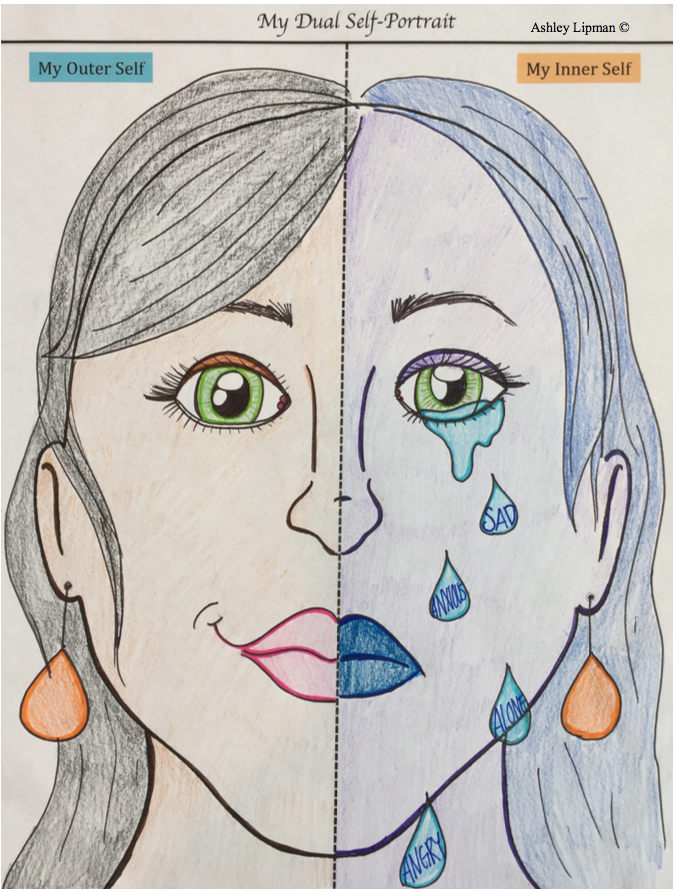 Therapeutic art activities can unlock powerful emotions and memories, providing individuals with a therapeutic outlet for processing their experiences. This form of therapy can help individuals gain insight into their thoughts and emotions, promote self-reflection, and support emotional healing and growth.
- 10 Art Therapy Activities For Kids - Project Motherhood
 Art therapy is not limited to adults; it is equally beneficial for children. Engaging in art therapy activities can help children explore their feelings, build self-esteem, and enhance their ability to communicate and problem-solve. Additionally, art therapy activities can provide a safe outlet for children to express their emotions and cope with any challenges they may be facing.
- Creative Elementary School Counselor | Self-esteem activities
 Art therapy activities are particularly valuable in educational settings, where they can support the social and emotional development of students. By engaging in art therapy activities, students can enhance their self-esteem, improve their problem-solving skills, and develop healthy coping mechanisms.
Art therapy is a versatile and flexible modality that can be adapted for individuals of all ages and backgrounds. Whether utilized in clinical settings, schools, or community programs, art therapy offers a unique and effective approach to promoting emotional well-being and self-discovery.
Art therapy activities can take many forms, including drawing, painting, collage-making, sculpture, and other forms of artistic expression. The process of creating art allows individuals to engage their senses and focus their attention on the present moment, promoting relaxation and mindfulness.
Furthermore, art therapy can serve as a bridge between the conscious and unconscious mind. By using symbols, colors, and imagery, individuals can tap into their innermost thoughts and emotions, gaining insight into their own psychological processes. This introspection can lead to increased self-awareness, self-acceptance, and personal growth.
Art therapy may be particularly helpful for individuals who struggle with verbal expression or find it challenging to articulate their emotions. Through art, they can communicate their thoughts and feelings in a non-verbal and non-threatening way, reducing anxiety and promoting self-expression.
As with any form of therapy, art therapy should be facilitated by a trained and qualified professional. These professionals may be licensed art therapists, counselors, psychologists, or social workers who have received specialized training in art therapy techniques. They create a safe and supportive environment for individuals to explore their emotions, process their experiences, and promote healing and growth.
