Today, I want to talk about activities for children with autism. As a parent, it can sometimes be challenging to find the right kind of activities that will engage and benefit your child. That’s why I’ve put together some friendly activities that have been proven to be effective for children with autism.
Activity 1: Art Therapy
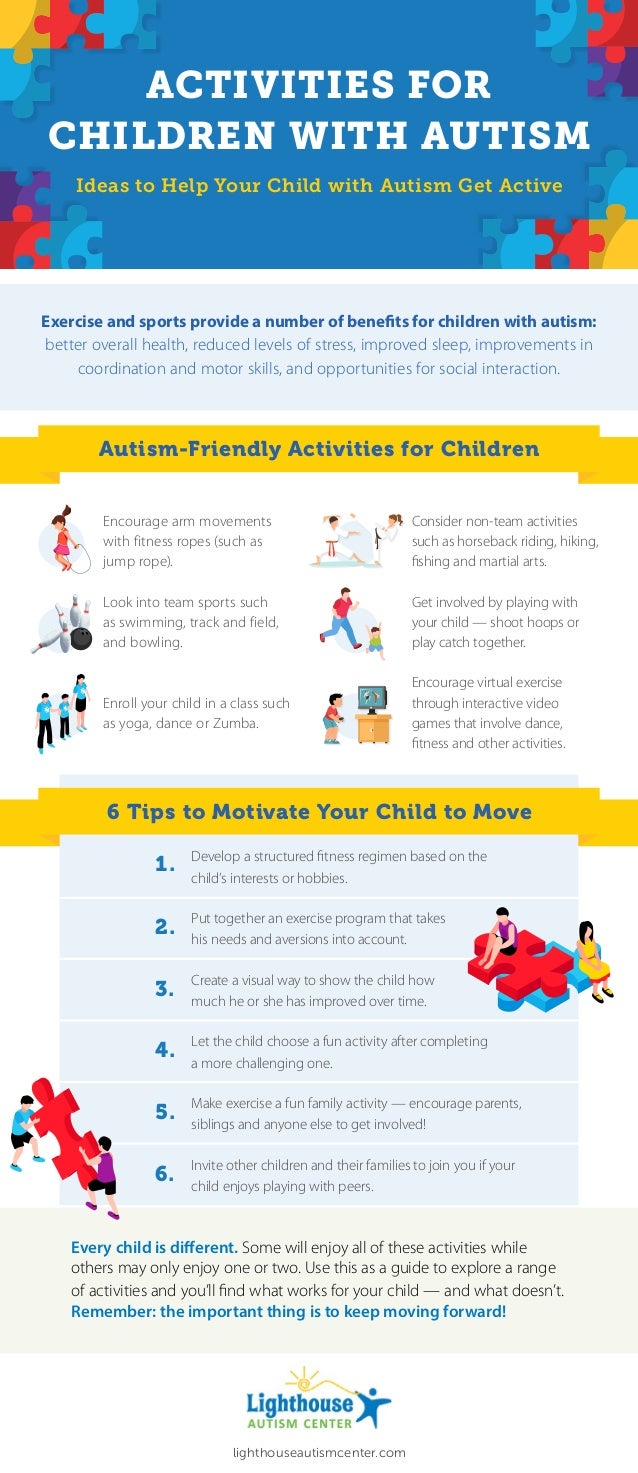 Art therapy is an excellent way for children with autism to express themselves and develop their fine motor skills. Encourage your child to explore different art mediums such as painting, drawing, and sculpting. This activity allows them to engage their senses and improve their communication and interpersonal skills.
Activity 2: Sensory Play
 Sensory play is essential for children with autism as it helps them regulate their sensory systems and develop their cognitive and motor skills. Create a sensory bin filled with materials like rice, sand, or water beads. Encourage your child to explore different textures and engage their senses.
Activity 3: Physical Exercise
 Physical exercise is not only beneficial for physical health but also helps children with autism improve their coordination and focus. Engage your child in activities such as swimming, dancing, or yoga. These activities not only promote physical well-being but also improve social interaction and self-esteem.
Activity 4: Social Skills Groups
 Social skills groups provide a safe and supportive environment for children with autism to practice their social skills. These groups are led by professionals who facilitate activities that promote communication, turn-taking, and cooperation. Your child will have the opportunity to interact with peers who are facing similar challenges.
Activity 5: Music Therapy
 Music therapy has been found to be highly effective in improving social interaction and communication skills in children with autism. Encourage your child to explore different musical instruments or engage in singing activities. Music can provide a way for them to express themselves and connect with others.
Activity 6: Virtual Reality
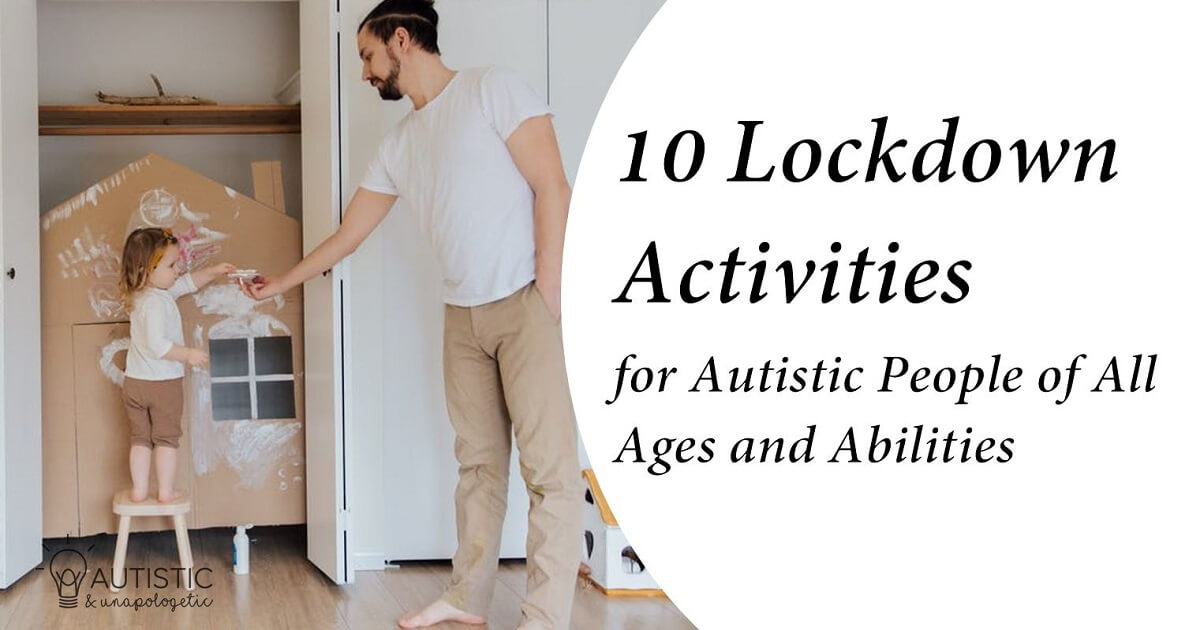 Virtual reality (VR) has gained popularity in recent years and has proven to be a valuable tool for children with autism. VR allows them to experience different scenarios in a controlled environment and helps them practice their social and communication skills. Additionally, VR games can be immersive and engaging, making it easier for children with autism to focus and interact.
Activity 7: Sensory Activities
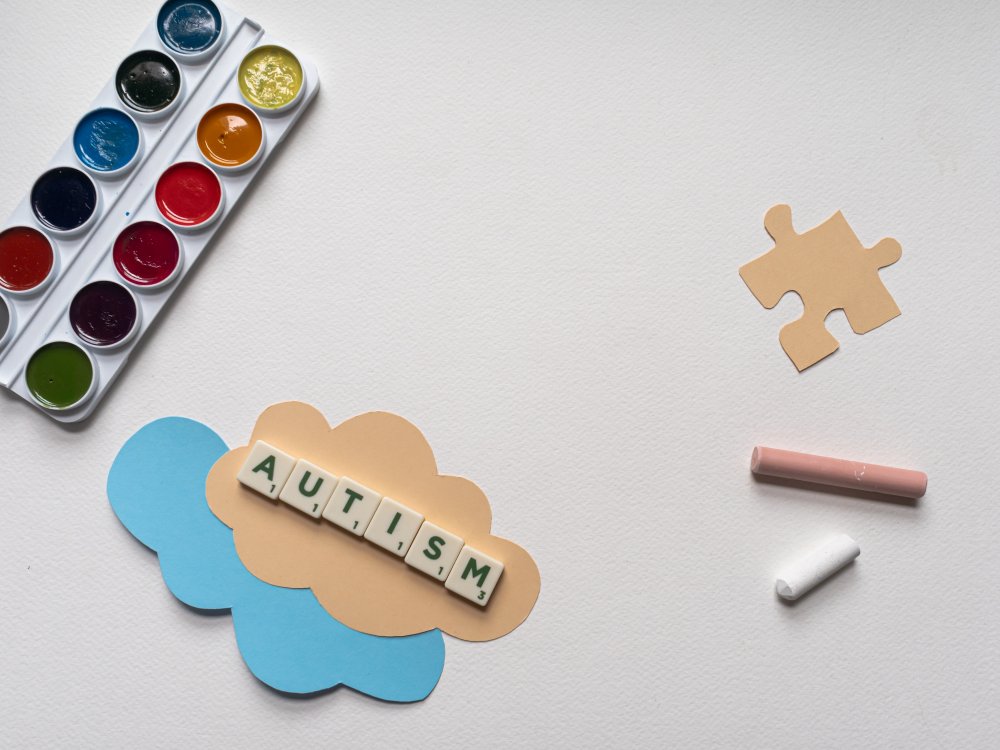 Sensory activities are not only beneficial for children but also for adults with autism. Engage your loved one in activities like sensory bins, bubble wrap popping, or playing with therapeutic fidget toys. These activities help them relax, reduce anxiety, and improve their sensory processing abilities.
Activity 8: Cooking and Baking
 Engage your child or loved one in cooking and baking activities. Following a recipe, measuring ingredients, and working with different textures can help improve their fine motor skills and sensory integration. Plus, cooking together provides a wonderful opportunity for bonding and practicing life skills.
Activity 9: Outdoor Adventures
 Spending time in nature and engaging in outdoor activities has numerous benefits for children with autism. Take them to a local park, go on nature walks, or have a picnic in a scenic spot. Outdoor activities help reduce stress and anxiety, improve mood, and provide opportunities for sensory exploration.
Activity 10: Group Sports
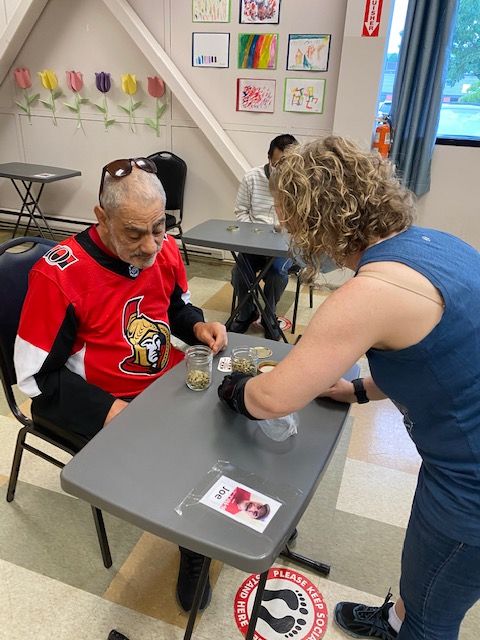 For older children and adults with autism, participating in group sports can be highly beneficial. Look for inclusive sports programs or adaptive sports leagues that cater to individuals with different abilities. Group sports not only promote physical fitness but also foster teamwork, social interaction, and self-confidence.
Remember, every child with autism is unique, so it’s essential to observe their interests and preferences when selecting activities. The key is to provide a safe and supportive environment where they can explore, learn, and have fun!
By engaging in these activities, you’ll be creating opportunities for growth and development while strengthening the bond between you and your child or loved one with autism. Enjoy the journey!
